Blog
Can You Relocate a Radiator to a Different Wall or Below a Window?
Can you relocate a radiator to a different wall or below a window?
Moving a radiator is not simply a matter of taking it off one wall and fixing it somewhere else. The new position has to work for the heating system, the room and the structure of the property. In Manchester homes, the best approach can differ considerably between a Victorian terrace, a city centre flat and a modern apartment.
As a fully qualified plumbing business, we look at the practical details before deciding how the relocation should be carried out. You can read the service overview on our Radiator Installation page, but the important decision is how the proposed position affects heat distribution, pipework and the finished room.
What determines whether the new position will work?
The radiator must suit the room
A radiator produces a particular amount of heat. Changing its position does not increase that output, so the new location must still allow the room to warm properly. A radiator that is moved into an awkward corner, behind furniture or into an area with restricted airflow may not heat the space evenly, even if the pipework is installed correctly.
We consider the room's size, insulation, windows and use. A large open-plan room has different requirements from a small bedroom. A room with substantial external wall area may also lose heat differently from an internal room. These details help determine whether the existing radiator can be reused in the proposed location or whether a different size or type would make more sense.
The wall is only one part of the decision
A radiator needs secure support, particularly when it is filled with water. Plasterboard, brick or block walls, timber-framed walls and older solid walls all require different fixing methods. The condition of the wall matters too. A fixing that looks acceptable on the surface may not provide enough support if the structure behind it is unsuitable.
This is especially relevant in older Manchester terraces, where walls and floors may have been altered over time. In a flat, the available wall structure and restrictions around shared areas or hidden pipes and cables can also affect the installation method. We check what is actually behind the proposed fixing points rather than assuming every wall can be treated the same way.
Moving a radiator below a window
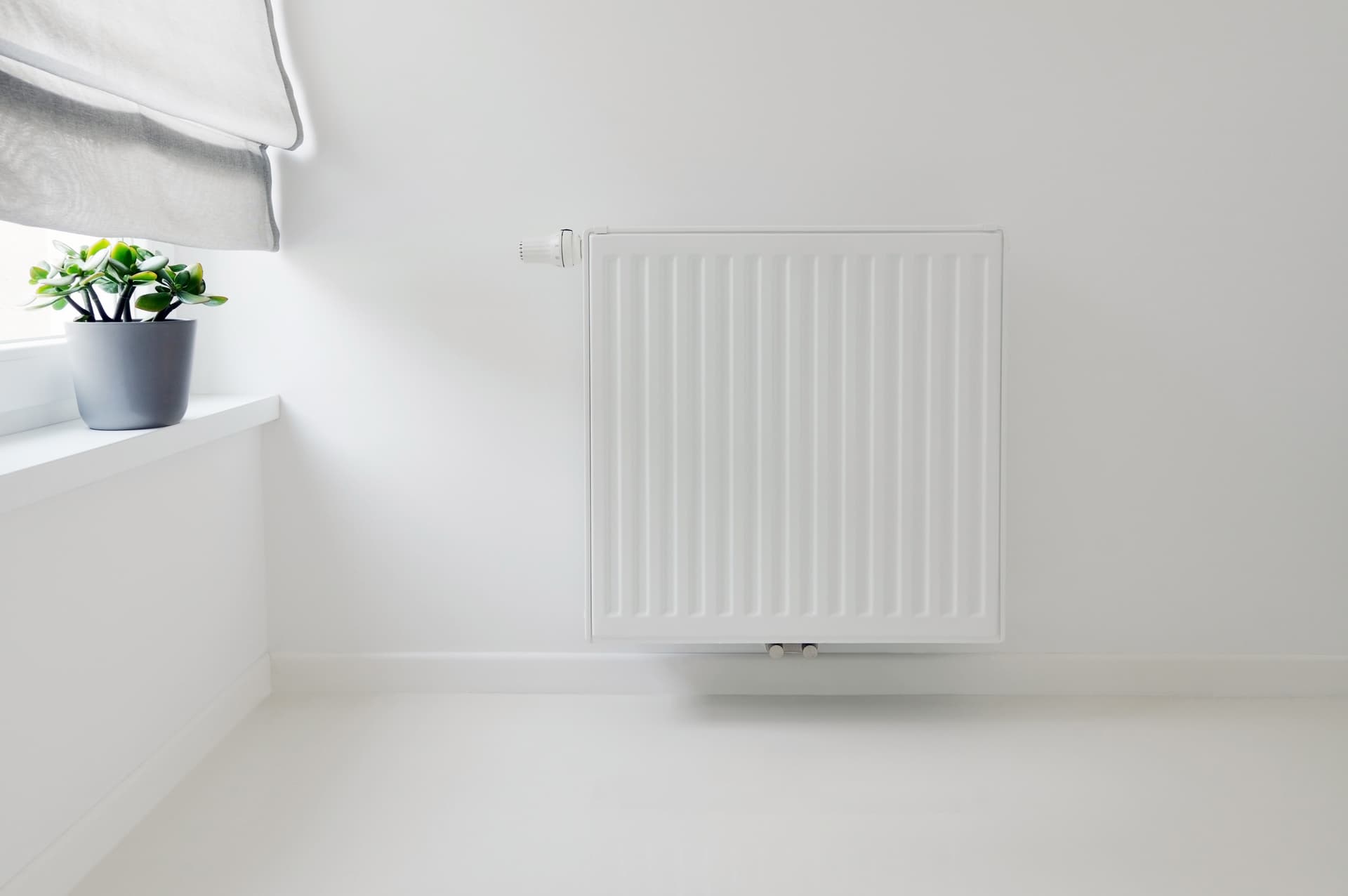
Positioning a radiator below a window can be sensible because rising warm air helps counter the cooler air that can fall near the glazing. It can also make use of wall space that would otherwise be difficult to furnish. However, the window position, sill height and radiator dimensions all need to work together.
The radiator should not be forced into a space where it prevents the window from opening, interferes with curtains or leaves valves inaccessible. Furniture and boxing must also be considered. If a radiator is enclosed too tightly, air circulation around it is restricted and its performance can suffer.
In some properties, the wall below the window may not be the easiest route for pipework. Floor construction, skirting boards and existing services can determine whether pipes can be concealed neatly or need to remain visible. We explain the implications before work begins so the position is chosen for both heating performance and appearance.
What changes when moving it to another wall?
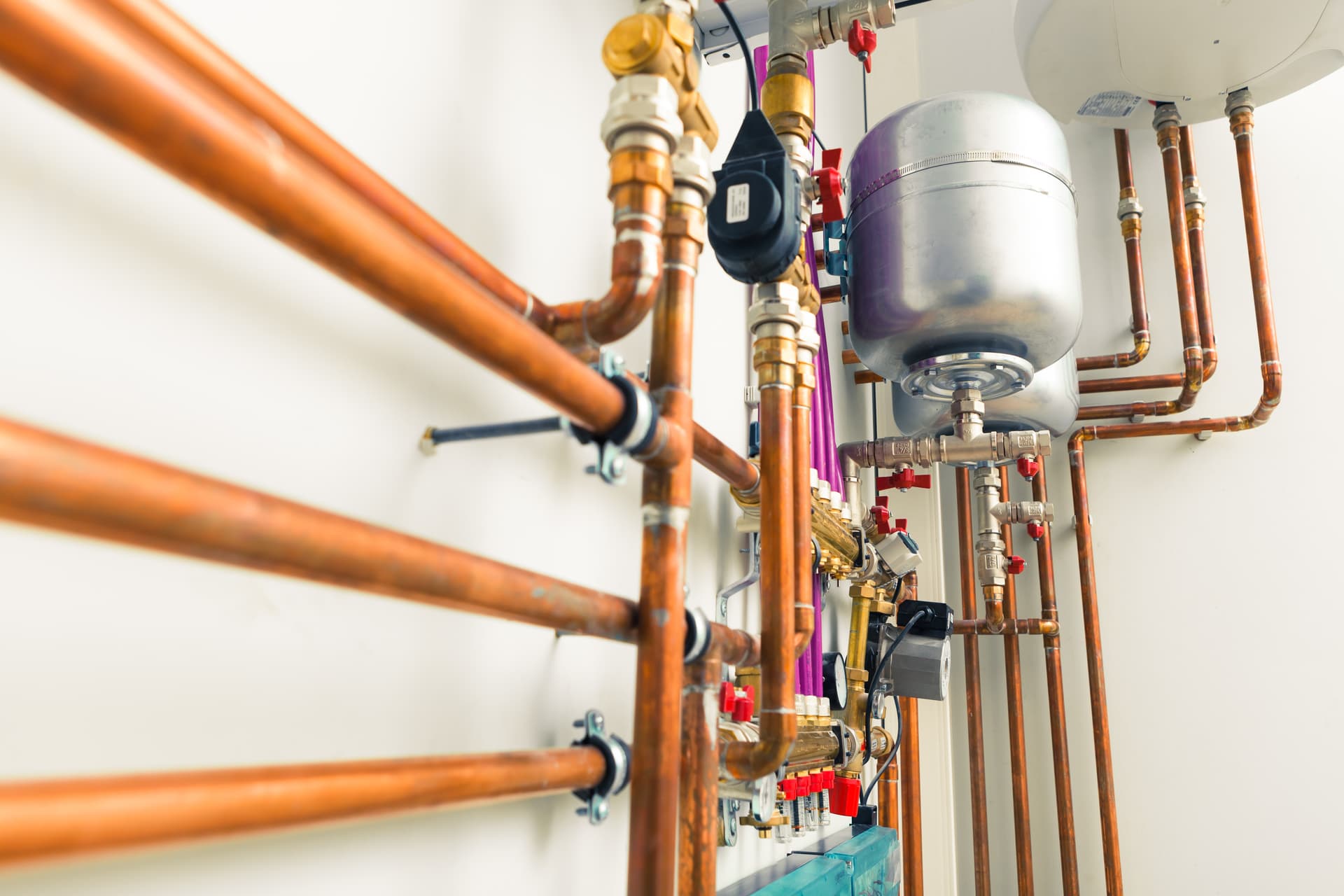
A different wall may offer better furniture placement, but it can require more involved pipework. The route may pass through floors, walls or cupboards, and the least disruptive route is not always the shortest route. We assess access and decide whether the pipes should be visible, partly hidden or set into the wall where appropriate.
The network of heating pipes also matters. Altering one radiator can affect how water flows through the system, particularly where several radiators use the same pipe network or where the existing system is already poorly balanced. After the relocation, the system needs to be checked so the radiator receives the correct flow and other rooms are not left underheated.
Pipework must be supported properly and joints must remain accessible where necessary. Rushing this stage can create movement, noise or leaks that may only become apparent once the heating is running. A tidy finish is important, but it should never come at the expense of sound routing and secure connections.
How to choose the right location
Before choosing a wall, consider three practical questions:
- Will the radiator heat the room effectively? Avoid positions blocked by furniture or enclosed joinery.
- Can the pipework reach it without unnecessary disruption? The floor, wall construction and existing services all affect this.
- Will you still be able to use and maintain it? Valves, points for releasing air from the radiator and surrounding surfaces need reasonable access.
A proposed position that looks ideal on a plan may be unsuitable once the floor, wall and heating circuit have been inspected. We survey these details before recommending a method, then install, test and set up the radiator so the result works in the room rather than only looking right on the wall.
If you are considering a radiator relocation in Manchester, We can assess the property and explain the workable options. Contact us for advice and a quote based on the radiator, pipework, access and finish your home requires.
Other Articles