
Blog
Can a Sink Be Fitted Into Any Worktop? What Manchester Homes Need to Consider
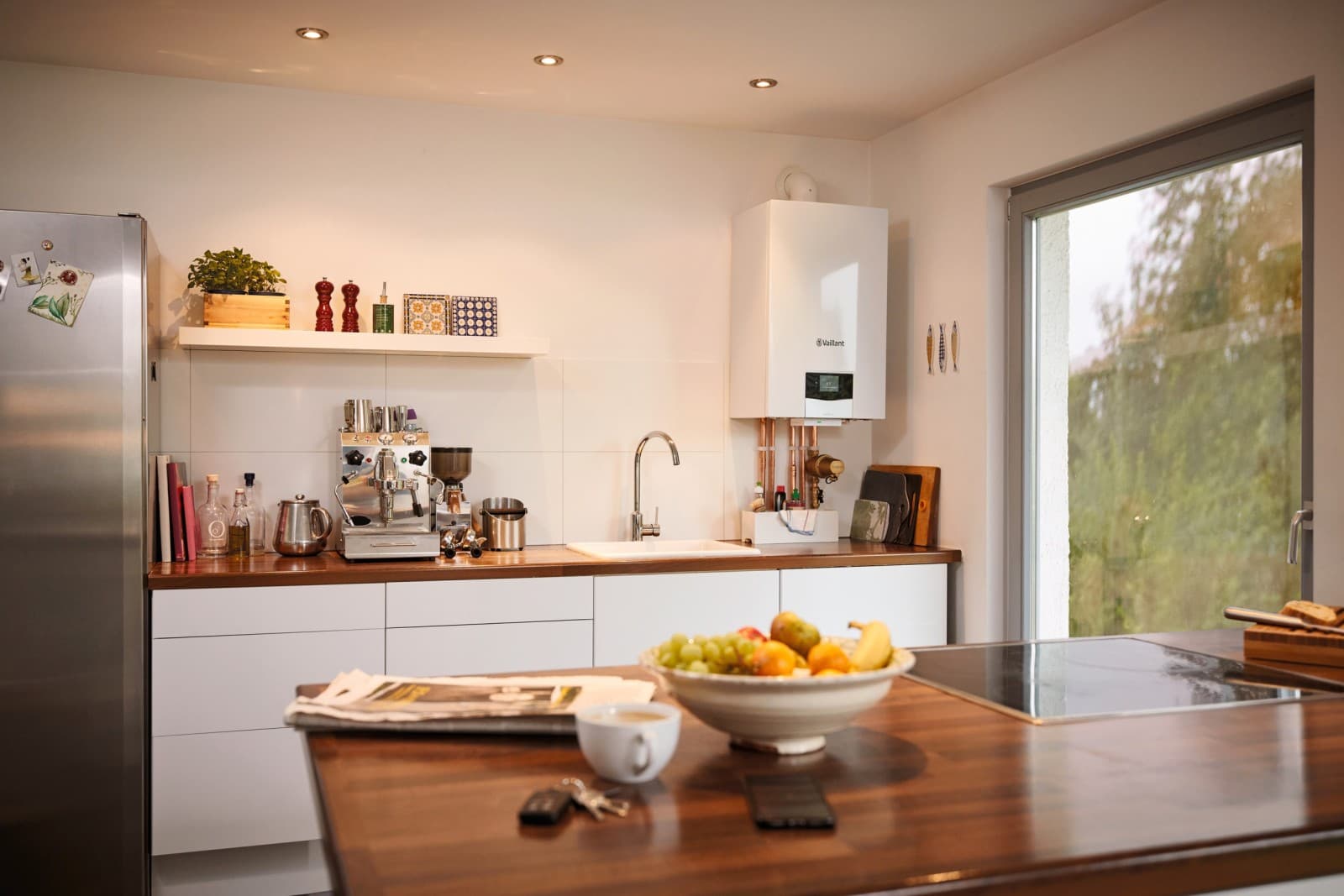
Can you fit a sink into different worktops like laminate, solid wood or granite?
The worktop is not just a surface around the sink. It determines how the opening is formed, how the sink is supported, how the edge is sealed and how easily the plumbing can be connected underneath. That is why the same sink can be straightforward in one Manchester kitchen and unsuitable for another without changes to the unit or worktop.
Our Tap & Sink Installation service covers the practical details behind the finished result, including the worktop material, sink style and existing pipework.
Laminate worktops: accurate cutting and effective sealing
Laminate is common in kitchens because it is relatively easy to cut and available in many finishes. The main risk is exposing the chipboard core around the opening. If the cut edge is left unsealed, water from the sink rim or cleaning can penetrate the worktop. Swelling may then push the sink out of position or distort the surrounding surface.
The opening should follow the sink maker's template rather than being marked by eye. There must be enough material around the opening to retain strength, while the tap hole, drainer position and cabinet below all need to line up. Once the sink is positioned, the seal has to form a continuous barrier without excessive sealant squeezing into the bowl or cabinet.
A replacement sink can also reveal a problem with the old opening. A different bowl size, corner radius or drainer layout may leave visible gaps or require the worktop opening to be enlarged. That decision should be made before the sink is bought, because enlarging an opening is very different from making a small adjustment.
Solid wood: movement matters after installation
Timber worktops need a different approach because wood responds to moisture and changes in its surroundings. A sink edge that looks sealed on installation day can still become vulnerable if water reaches an unprotected cut edge or if the seal fails around the rim.
The opening must be finished carefully, especially along any newly exposed, absorbent wood. The sink and tap positions also need to allow water to drain away from the joints rather than collect against the timber. Where the design allows, a sink that sits into the worktop can reduce the amount of exposed edge, but the right choice depends on the worktop thickness, sink design and support underneath.
A timber worktop may also need more support beneath the sink than a simple replacement suggests. Removing material for a larger bowl can reduce the strength around the opening. The cabinet, its supporting rails and the fixing points should be checked before cutting, especially where the sink is close to a joint or the worktop extends beyond the cabinet.
Stainless steel and thinner surfaces
Stainless steel surfaces can be durable, but they still need the correct opening and fixing method. A sink may be designed to sit into the worktop, below it or form part of a fabricated unit. Those are not interchangeable arrangements.
Thin surfaces can flex if the sink is not properly supported. Movement places stress on the waste connection and the seal around the rim. It can also make the tap feel loose when the handle is used. We consider how the sink will be held in place, where the tap will be mounted and whether the cabinet below gives enough access for tightening and future maintenance.
Granite, quartz and other stone worktops
Stone worktops should not be treated like laminate or timber. Cutting, drilling and shaping usually need specialist equipment and careful coordination with the worktop fabricator. The opening may need its edges finished or prepared in a particular way, and the way the sink is secured must suit both the stone and the sink.
For a sink fitted beneath the worktop, the underside of the stone and the sink rim need to meet consistently. The support system must carry the sink securely, because relying only on sealant is not an appropriate substitute for proper mechanical support. The joint then needs to be sealed against water without creating an uneven visible edge.
Before fitting, we need to know whether the stone is already installed, whether the opening exists and which sink has been selected. If the worktop has not yet been made, the sink model and fitting arrangement should be agreed with the worktop maker first. If the stone is already in place, changing the sink may be restricted by the existing opening.
The plumbing underneath still affects the result
Even with a suitable worktop opening, the installation can be limited by what is inside the unit. The drain connections may not line up with the new bowl, pipes may pass through the cabinet where the sink needs support, and the shut-off valves or flexible pipes may be difficult to reach.
A deeper sink can leave less room for the curved drain fitting underneath. A wider bowl can interfere with drawers or shelving. A new tap may also need different supply hoses or a different hole position. These details affect whether the fitting is a direct replacement or whether the surrounding plumbing and cabinet need adapting.
Choosing the right approach for your property
For a Manchester flat with a standard laminate kitchen, the priority may be protecting the cut edge and working around restricted cabinet access. In a period home in Greater Manchester, uneven units, altered pipework or a non-standard worktop opening may be more significant. A contemporary kitchen with quartz or granite requires coordination before the worktop is cut, particularly for an undermount sink.
Send us the sink details and photographs of the worktop, cabinet and pipework when arranging the job. We can then identify the installation method, access requirements and any compatibility issues before work begins. We are fully qualified and carry out tap and sink installation across Manchester, with the aim of leaving you with a secure, properly sealed and practical result.
Other Articles